Biorevitalization uses micro-injections of pure, non-cross-linked hyaluronic acid to hydrate the skin from within. The distinction from filler matters: filler is cross-linked so it holds its shape and creates structure, while the hyaluronic acid used here is fluid and disperses through the tissue. It hydrates; it does not shape.
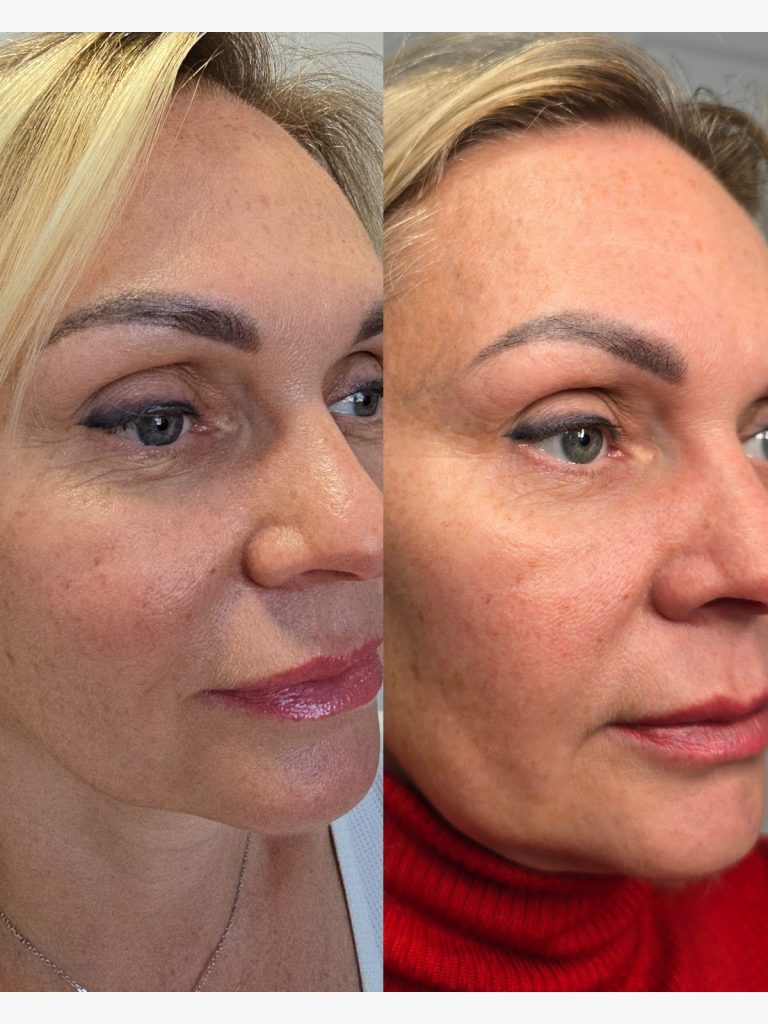
So nothing about your features changes. What changes — gradually, over a course of sessions — is how the skin itself looks: better hydrated, smoother at the surface, less dull.
As with mesotherapy, biorevitalization is not Health Canada approved as a treatment: the products used are Health Canada approved, but not for injection, so injecting them is considered off-label use, which is legal. It is well established in practice and generally well tolerated, and you should know where it stands before committing to a course.
Consultations are complimentary, confidential and carry no obligation. We see clients from across Vaughan, Maple, Woodbridge, Concord, Thornhill, Richmond Hill and north Toronto.
What Biorevitalization Is
Hydration, not volume
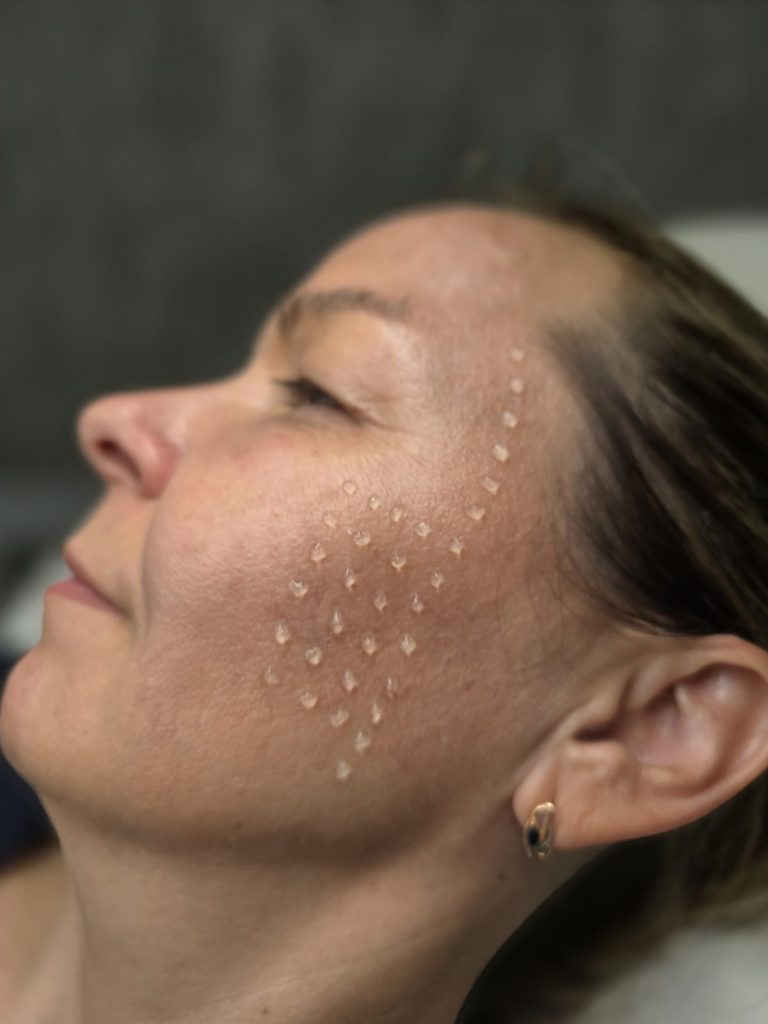
Small amounts of fluid hyaluronic acid are placed superficially across the treatment area in a grid of injection points, so the hydration is distributed evenly rather than concentrated anywhere.
It is the treatment to consider when skin looks tired and dry but you do not want to change anything about your face. People who are nervous about looking “done” often find this the easiest starting point, precisely because it cannot alter your shape.
- Non-cross-linked hyaluronic acid — fluid, not structural
- No change to features or contour
- Health Canada approved products, used off-label (legal)

How It Differs From Filler
Same molecule, different job
Both use hyaluronic acid, but they are engineered differently. Filler is cross-linked into a firmer gel that stays where it is placed — that is what lets it rebuild a cheek or define a jaw. Biorevitalization uses it in its fluid form, so it spreads and hydrates instead of holding shape.
Practically: if the mirror shows hollowness or a fold, you need filler. If it shows dull, dry, crepey skin sitting on a face whose shape you are happy with, this is the more appropriate treatment. Many people eventually have both, for different reasons.
- Filler = structure. Biorevitalization = hydration
- Cannot create or restore volume
- The two are complementary, not alternatives
Treatment Areas
Face, neck, décolletage and hands
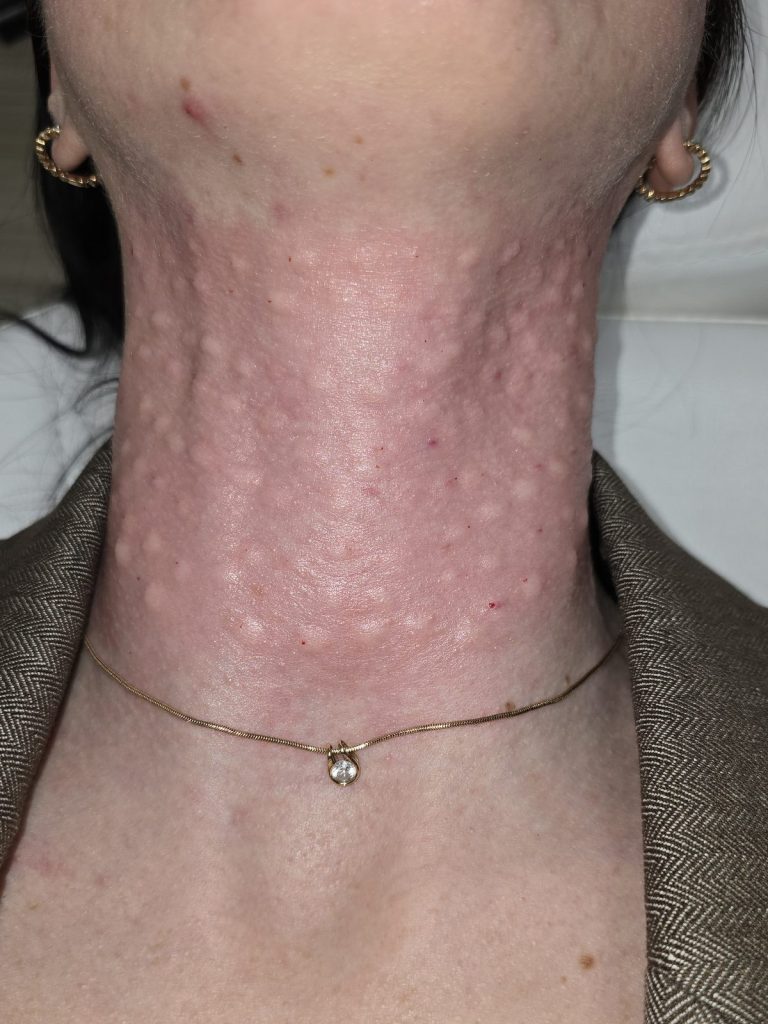
The face is the usual request, but the neck, décolletage and backs of the hands often benefit more — they are thinner-skinned, get comparable sun exposure, and are routinely left out of skincare routines.
The décolletage in particular tends to show crepiness and fine vertical lines earlier than people expect, and it is one of the areas where improving skin quality makes an obvious difference.
- Face, neck, décolletage, hands
- Thin-skinned areas often show the clearest change
- Areas can be combined in one appointment
What To Expect
A course, with maintenance
A session takes around 30 minutes with numbing. Small bumps at the injection points settle within hours to a day, and pinpoint bruising is possible — so do not book the day before an event.
This is a course: typically several sessions a few weeks apart, then maintenance a few times a year. The effect fades without upkeep, which is worth factoring into the cost before you start rather than after.
- About 30 minutes per session
- Small bumps settle within hours to a day
- A course, then ongoing maintenance
- Leave two weeks before an important event
Why clients choose Beauty Maison
A nurse with hospital experience
Sonya has practised as a Registered Practical Nurse since 2009, with a background in acute general medicine, acute respiratory care and dialysis before moving into aesthetic medicine. That grounding is why assessment and safety come before product.
Certified through CBAM
Certifications in injectables and plasma therapy through the Canadian Board of Aesthetic Medicine, plus nursing education at Seneca College, Centennial College and Athabasca University, with ongoing training to stay current.
Told plainly what a treatment can and cannot do
Where a treatment is not an approved indication, or where the evidence is thin, this site says so. You should not have to find that out afterwards.
No product-pushing, ever
No promotions tied to a set number of syringes or sessions. Consultations are complimentary, confidential and carry no obligation – including when the honest answer is that you do not need treatment.
Biorevitalization Pricing
Priced per session; a course is planned at your free consultation.
| Biorevitalization with mesotherapy — full face | $280 |
| Biorevitalization with mesotherapy — eyes | $120 |
| Biorevitalization with mesotherapy — face and neck | $350 |
| Biorevitalization — 3 sessions, face | $700 |
| Consultation | Free, no obligation |
Prices confirmed September 2026.
Frequently Asked Questions
Book a free consultation
Have your skin and goals assessed by a Registered Practical Nurse before you commit to anything. Consultations are complimentary, confidential and carry no obligation — call 647-992-2921 or send a message below.
The information on this page is general and is not a substitute for a medical assessment. Individual results vary and are not guaranteed. All treatments require a consultation and a review of your medical history.